RASHEAN GRAHAM
Automation engineer
I design and implement automation systems that connect people, data, and technology. From CRM architecture to AI-driven workflows, my work centers on making complex operations simpler, more reliable, and easier to scale.

AI & Workflow Automation
AI & Workflow Automation uses software and artificial intelligence to run business processes automatically—from lead handling and scheduling to data syncing and follow-ups—replacing manual work with reliable, scalable systems that reduce errors.
What does it all mean?
Workflow automation is the practice of designing systems that move information, trigger actions, and coordinate tools automatically—without constant human involvement. At its core, a workflow defines what should happen, when it should happen, and which system is responsible. For example, when a form is submitted, a lead can be created in a CRM, an email sent, a task assigned, and a calendar event booked—all without manual steps. To manage this coordination, businesses rely on orchestration tools that act as a control layer between applications, handling timing, conditions, logic, and error handling so processes run reliably even as complexity increases.
These systems are made possible through APIs (Application Programming Interfaces), which allow software platforms to communicate with one another in a structured way—sending and receiving data, requesting information in real time, and triggering actions such as creating records or updating statuses. The real power emerges when AI is given tools on top of this foundation. Modern AI systems can be configured to call external APIs, trigger existing automations, update live system records, route tasks, generate content, escalate decisions, and even choose which workflow to run based on context. In this model, AI doesn’t replace workflows—it controls and enhances them, making automation adaptive instead of brittle and capable of responding dynamically to real-world inputs rather than breaking on edge cases.
Recent Projects



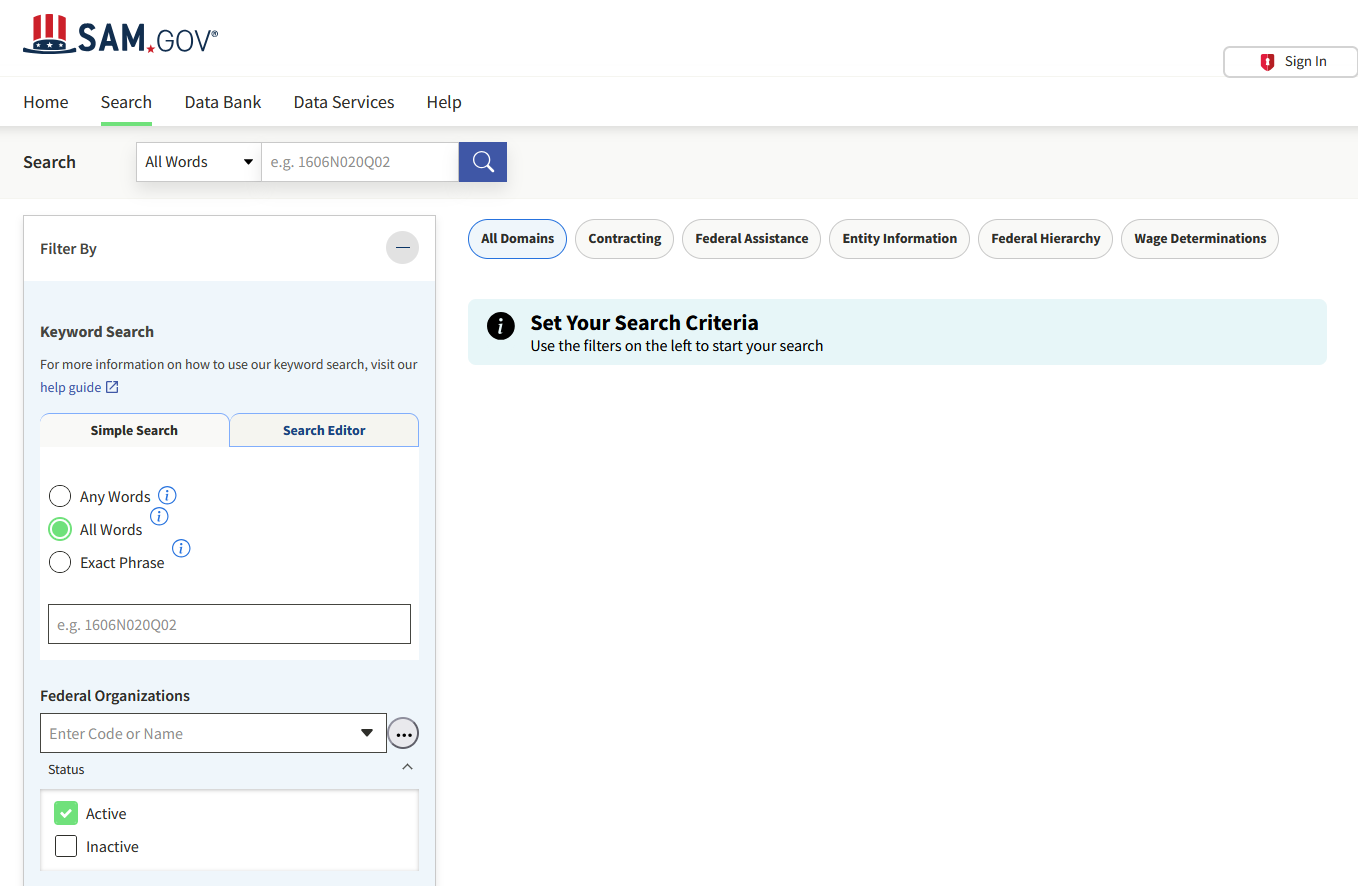
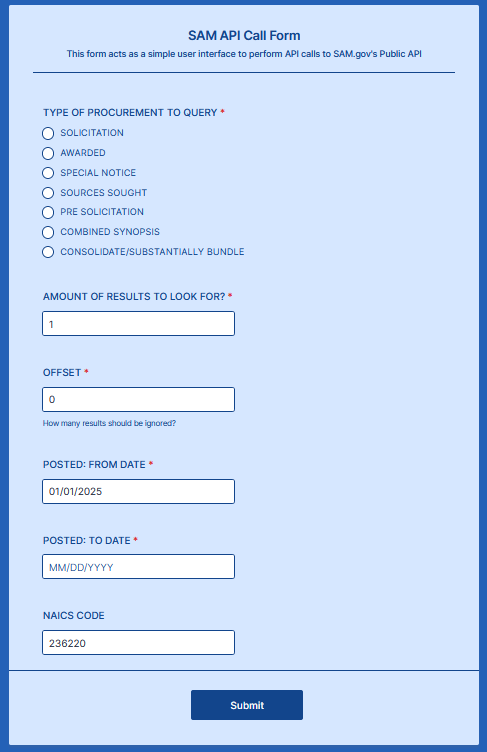
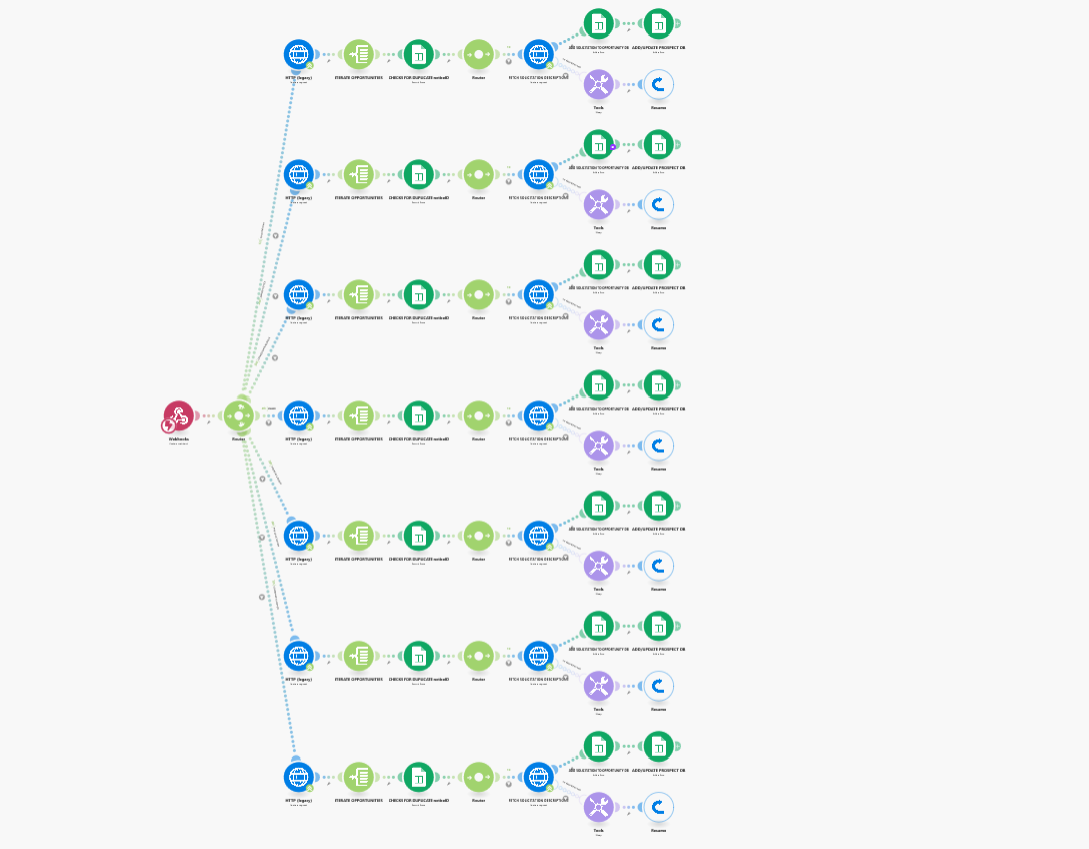
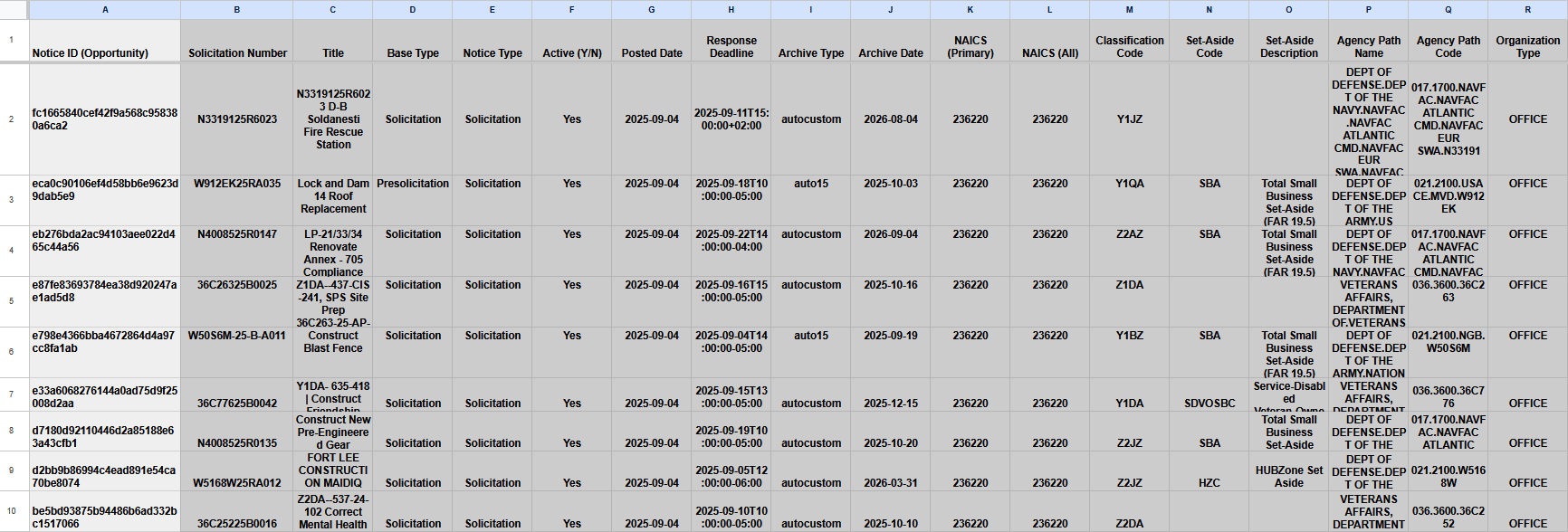
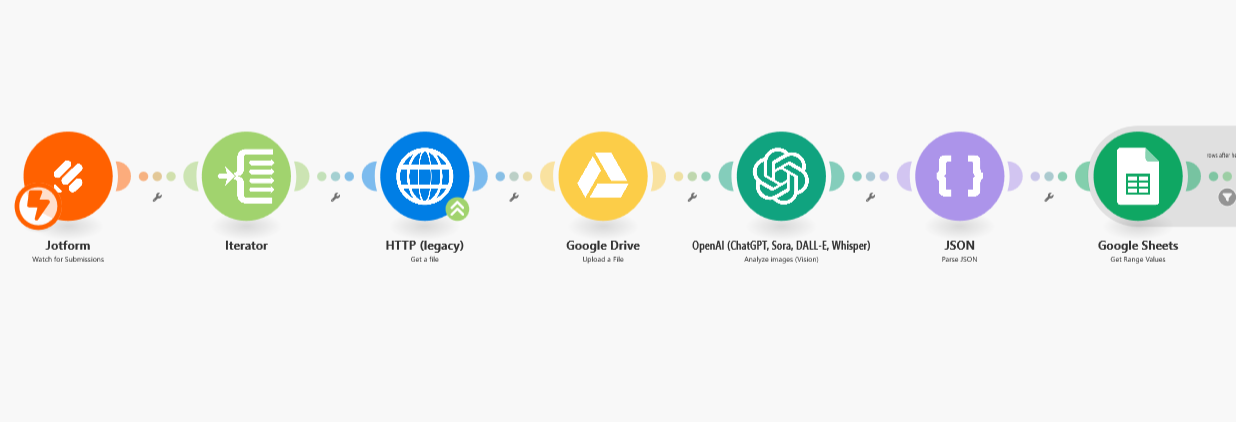
I designed an event-driven automation that turns a simple Jotform submission into a structured, production-ready API request for procurement data retrieval. When a user submits the form, the Make.com workflow instantly captures the submission via webhook, extracts key parameters—such as procurement type, result limits, date ranges, NAICS codes, and pagination controls—and packages them into a clean JSON payload.
That payload is then sent to a downstream webhook that initiates the actual procurement search logic (e.g., querying external government data sources), with built-in error handling and response parsing to ensure reliability. This system allows non-technical users to trigger complex, parameterized data queries through a simple form interface while maintaining a scalable, decoupled backend architecture.
This system transforms procurement research from a manual, time-consuming task into an automated, repeatable workflow. It gives users real-time visibility into active procurement opportunities, automatically captures key decision-maker contact information, and feeds those contacts directly into a CRM. The result is faster response to new opportunities, consistent lead nurturing for future contracts, and a scalable business-development pipeline that operates continuously with minimal manual effort.
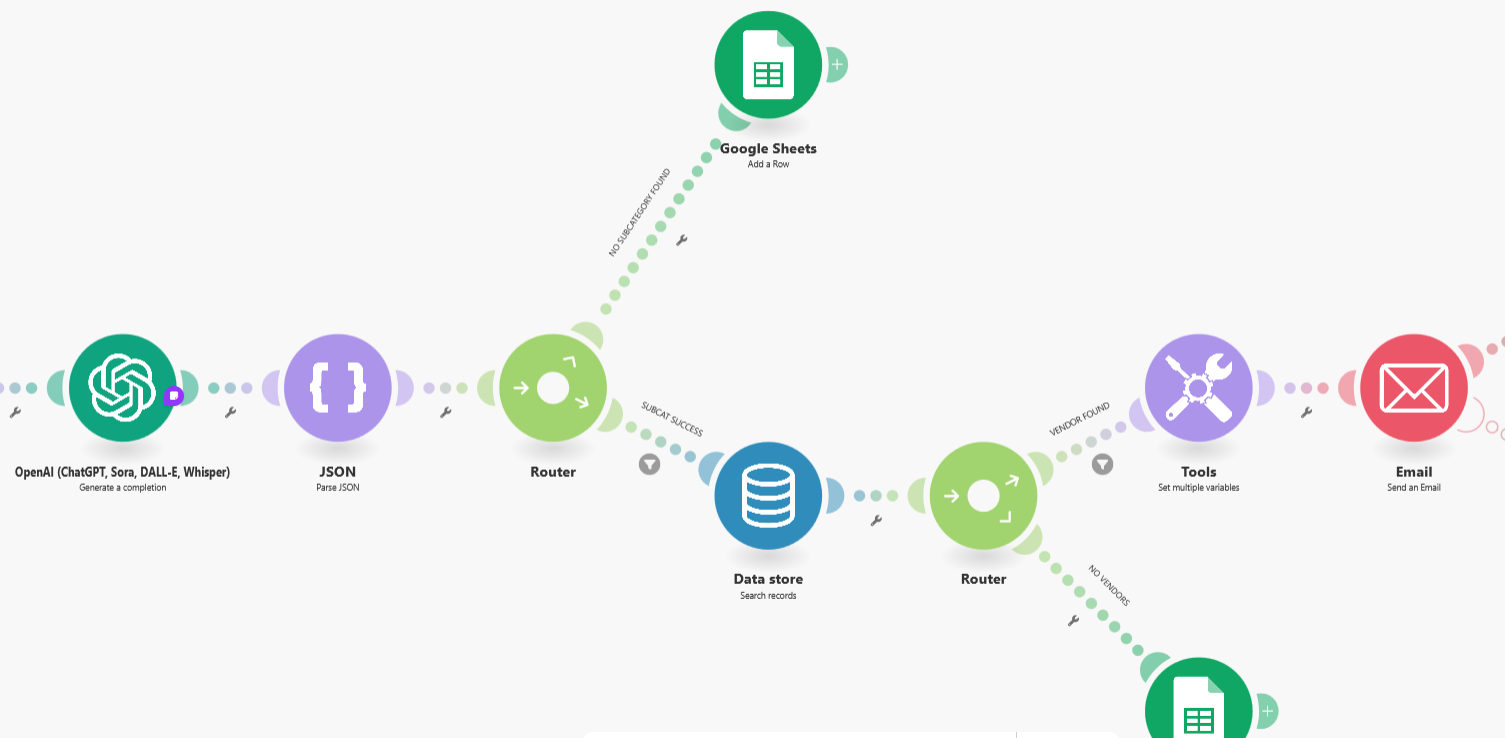
I designed an end-to-end, AI-powered lead generation system that transforms structured request inputs into enriched, actionable opportunities delivered into downstream systems. The workflow standardizes how leads are submitted, validated, and executed while orchestrating multiple backend actions, reducing manual handoffs and ensuring consistency and scalability. By automating data retrieval, enrichment, and routing, the system enables faster lead acquisition, cleaner CRM data, and a repeatable foundation for ongoing outreach and pipeline growth.
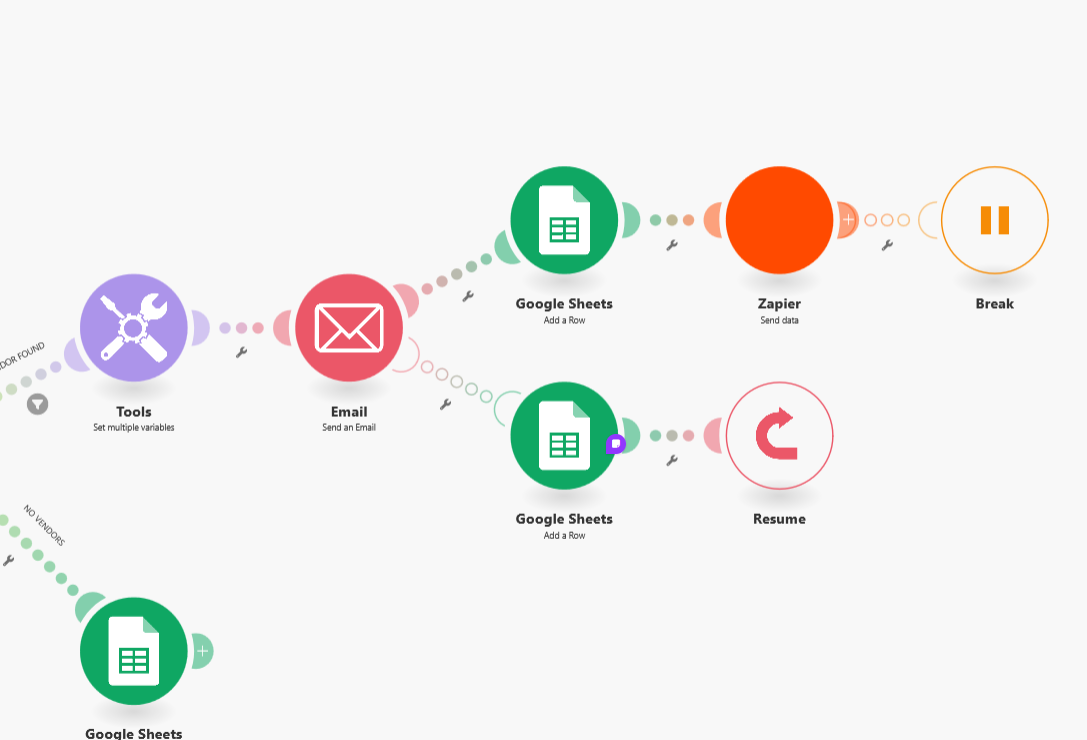
The system integrates the OpenAI API to extract and classify incoming request data, allowing it to accurately determine lead intent and context. This AI-derived insight is used to query an internal database of in-network vendors, and when a match is identified with greater than 85% confidence, the opportunity is immediately routed as a prioritized “hot lead” to the most relevant vendors. Through automated interpretation, matching, and distribution, the platform transformed a 70,000-member community into an active, AI-driven lead generation network delivering high-intent opportunities at scale.

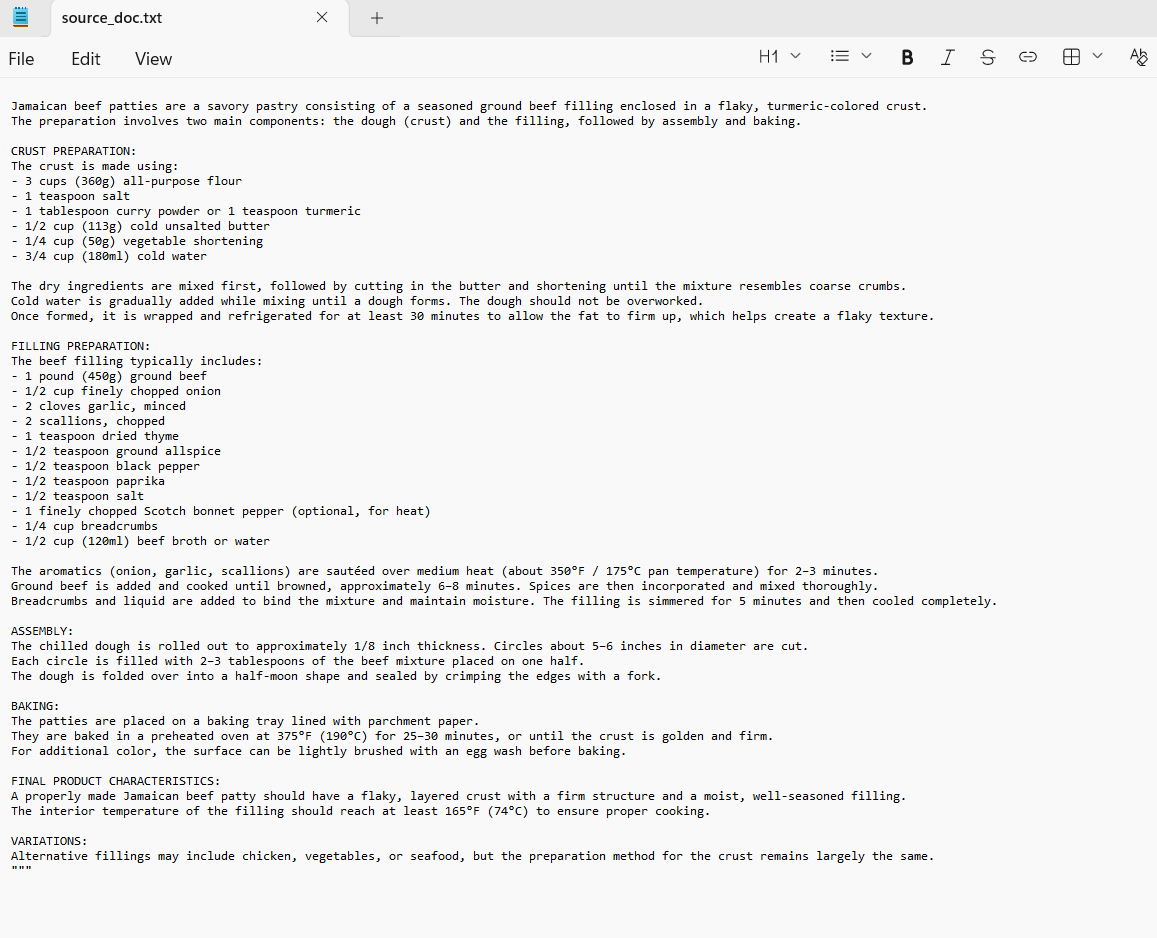
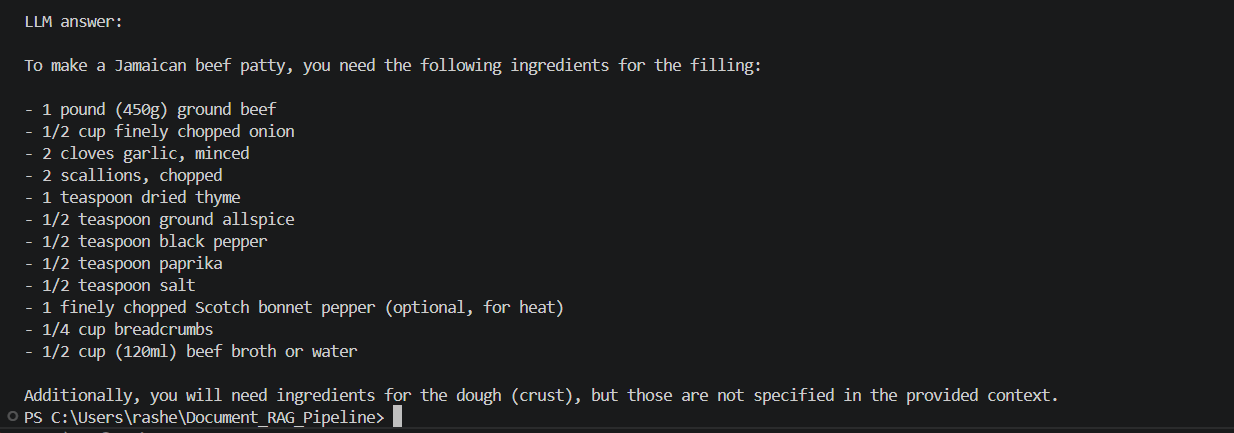
I designed and implemented a Retrieval-Augmented Generation (RAG) pipeline that transforms unstructured documents into a queryable knowledge system. The solution ingests raw text and PDF documents, extracts and normalizes content, and uses embeddings to store semantic representations in a vector database for efficient retrieval.
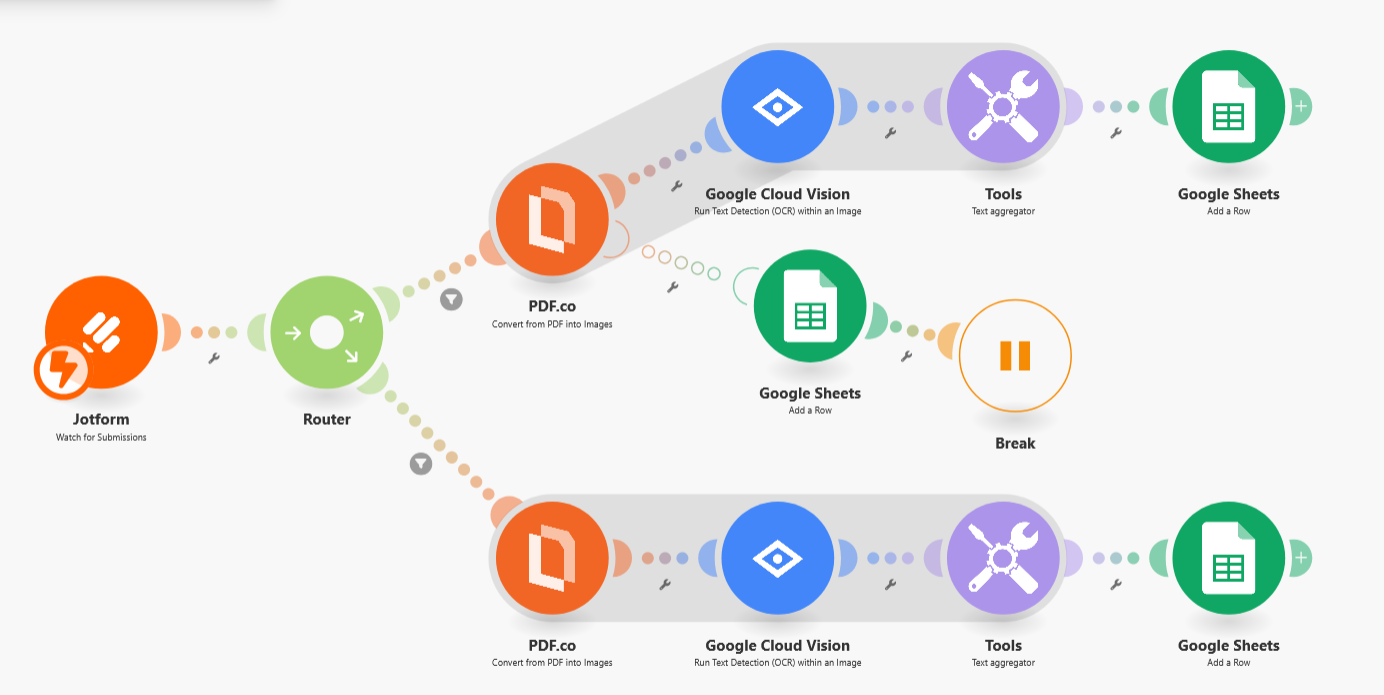
The ingestion layer includes an OCR fallback for scanned or image-based PDFs, ensuring that non-selectable text can still be processed and incorporated into the system. This allows the pipeline to handle a wider range of real-world document formats without manual intervention.
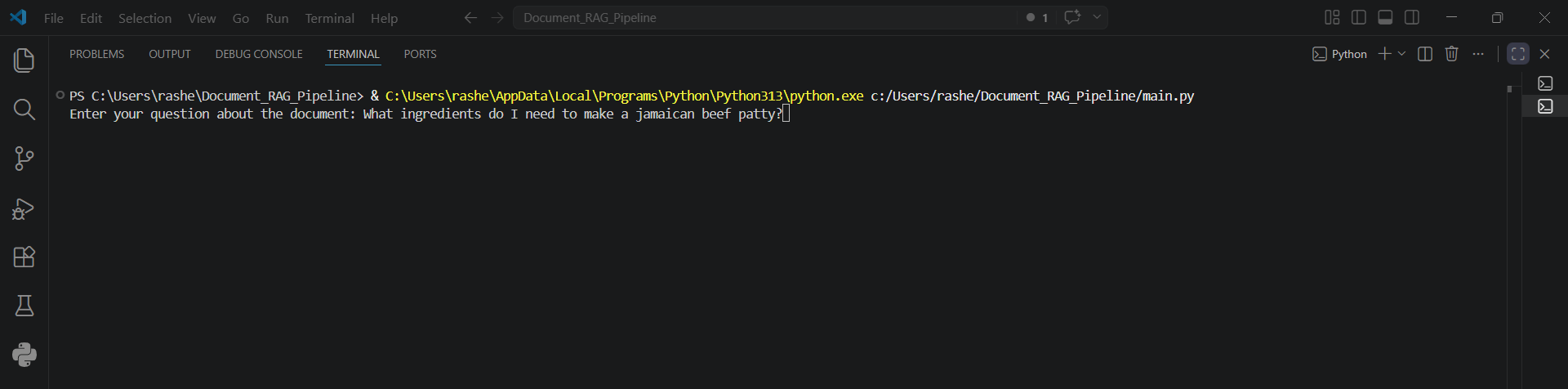
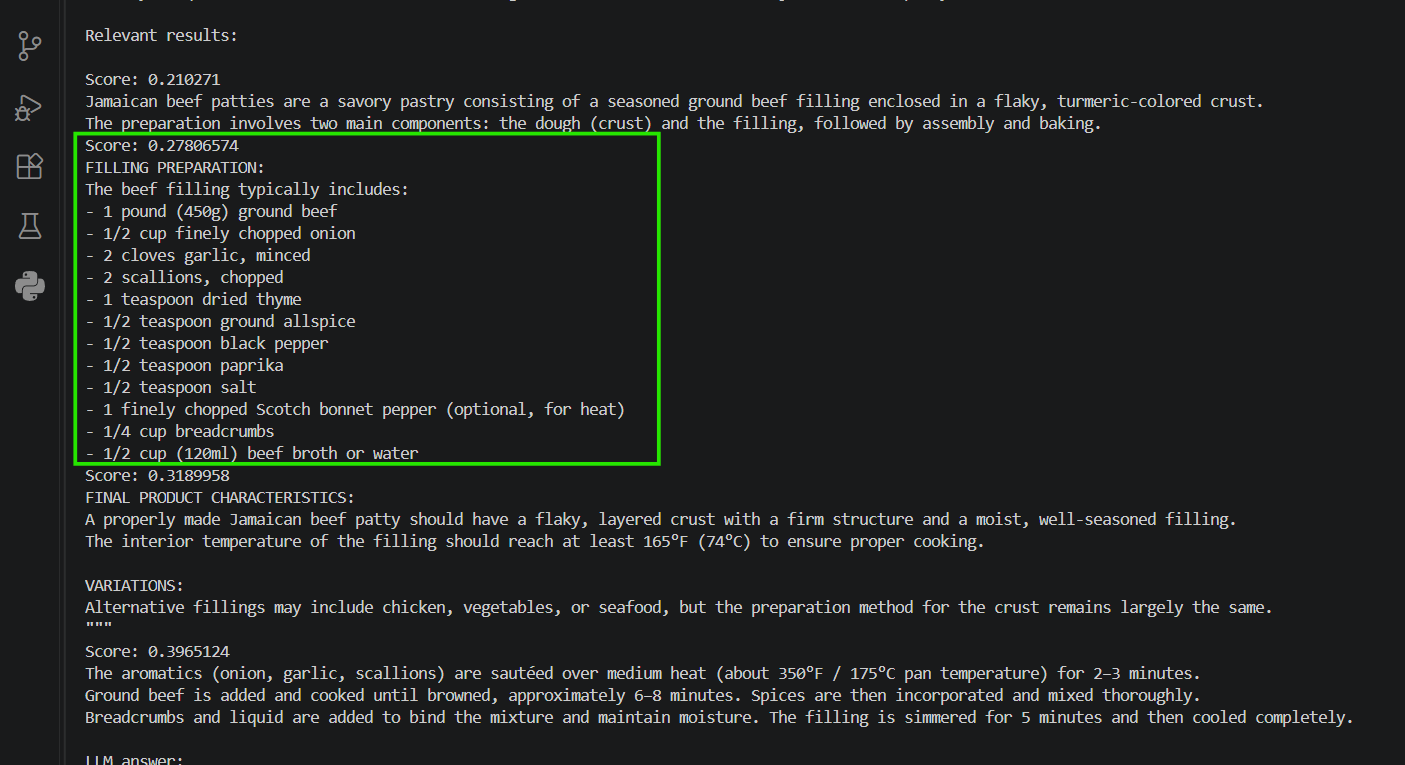
When a user submits a query, the system converts it into an embedding and performs similarity search to identify the most relevant document segments. These results are injected into a structured prompt and passed to a language model to generate context-aware, grounded responses. This approach ensures that outputs are based on source material rather than generic model knowledge.
The system also incorporates retrieval tuning to improve response quality, including adjustments to chunking strategy, top-k selection, and prompt construction to ensure that the most relevant context is surfaced to the model. These decisions were made to balance recall and precision while minimizing noise in the retrieved results.
Overall, this pipeline demonstrates how AI can be integrated into a reliable, end-to-end workflow that enables users to interact with documents, knowledge bases, and structured data in a natural, conversational way.
Core Technologies Used
Below are the core technologies and components used to build and operate the pipeline.
[ Python ] [ OpenAI ] [ LangChain ] [ FAISS ] [ PyPDF ] [ Tesseract OCR ]
My Tech Stack
These are a few of the tools I like the most



























The Feedback
Looking to collaborate?
Leave your information to get in touch. I work with organizations that want to apply AI and automation to simplify operations and build systems that scale.